Fashion as a Reflection of Lifestyle Changes in Pakistan

Fashion in Pakistan has never been limited to clothing alone. It is deeply connected with culture, religion, traditions, social status, and the changing mindset of society. Over the years, Pakistani fashion has transformed significantly, reflecting the lifestyle changes taking place across the country. From traditional shalwar kameez and simple cultural attire to modern fusion wear and luxury designer brands, fashion in Pakistan tells the story of a society evolving with time.
The way people dress often reflects how they live, what they value, and how they see the world around them. In Pakistan, the shift in fashion trends mirrors the impact of urbanization, globalization, education, media influence, technology, and changing social norms. Today’s Pakistani fashion industry stands at the crossroads of tradition and modernity, where cultural roots continue to exist alongside contemporary lifestyles.
Traditional Fashion and Cultural Identity
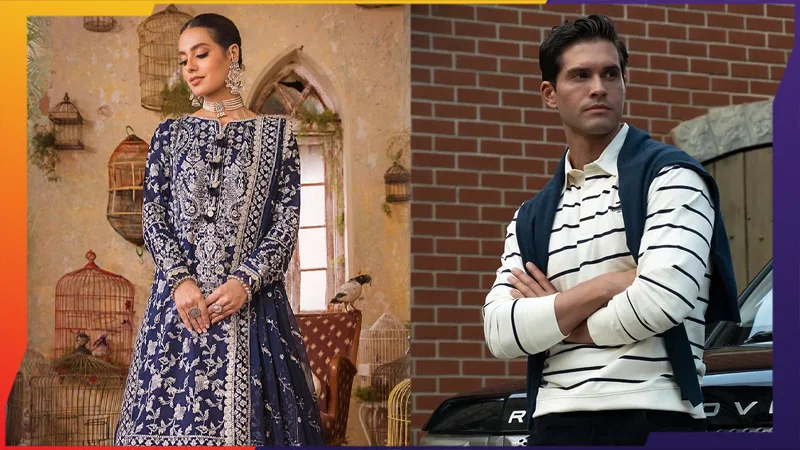
Traditionally, Pakistani fashion was heavily influenced by regional cultures, religious values, and family traditions. Clothing was designed mainly for comfort, modesty, and practicality rather than style or branding. Men commonly wore shalwar kameez with waistcoats or turbans, while women dressed in long traditional outfits with dupattas or shawls. Each province had its own distinct style.
In Punjab, vibrant colours and embroidered fabrics were popular. Sindhi culture introduced mirror work and ajrak patterns. Balochi dresses featured heavy embroidery and loose designs, while Pashtun clothing reflected simplicity and modesty. These traditional outfits were more than just fashion choices; they represented heritage and cultural pride.
Lifestyle during earlier decades in Pakistan was comparatively simple and community cantered. Families lived together in joint family systems, social interactions were more traditional, and fashion trends changed slowly. People mostly stitched clothes from local tailors, and branded clothing was considered a luxury for the wealthy.
At that time, fashion was closely connected to occasions. Everyday clothing remained simple, while weddings and festivals showcased cultural richness through traditional dresses and handmade embroidery.
Urbanization and the Rise of Modern Fashion
As Pakistan’s urban population grew, lifestyles began changing rapidly. Cities such as Karachi, Lahore, and Islamabad became centres of modern education, business, media, and entertainment. With urbanization came exposure to international trends and changing consumer behaviour.
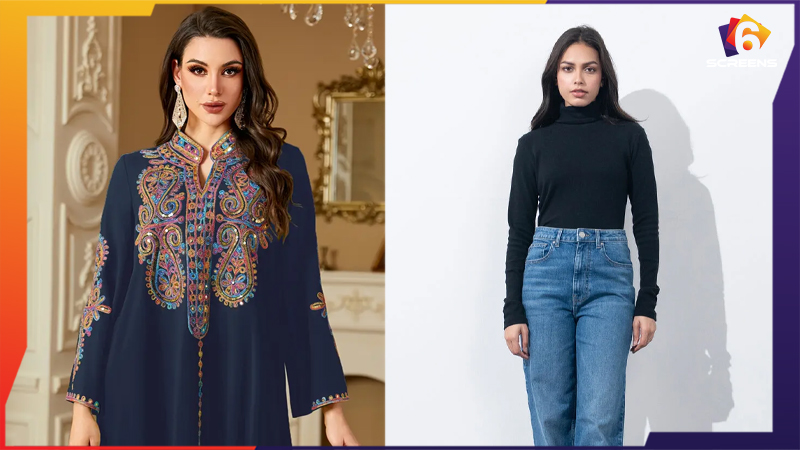
Young people started adopting modern dressing styles influenced by Western fashion. Jeans, shirts, trousers, skirts, jackets, and sneakers gradually became common, especially among students and working professionals. Fashion shifted from being purely traditional to becoming a blend of Eastern and Western styles.
The growth of shopping malls, fashion outlets, and designer brands also transformed consumer culture. Clothing became more than a necessity; it became a way to express personality, confidence, and social identity. Modern lifestyles encouraged people to experiment with different styles depending on work environments, social circles, and personal preferences.
Today, it is common to see women pairing traditional kurtas with jeans or men wearing sneakers with kurtas. This fusion fashion represents a society balancing cultural identity with modern practicality.
Media and Social Media Influence
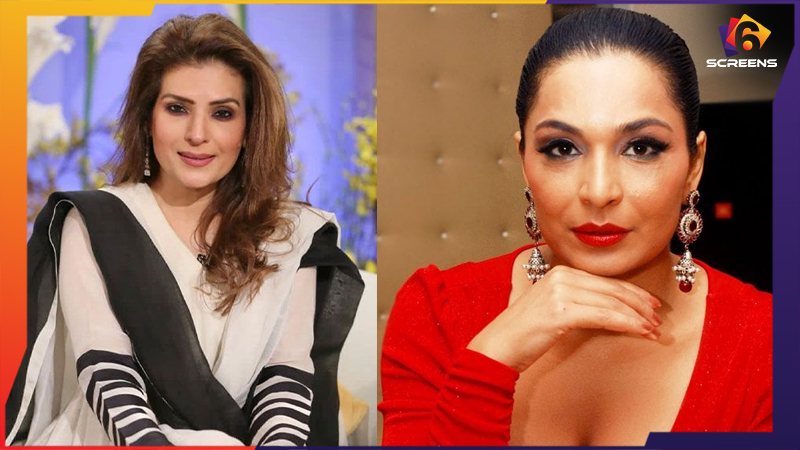
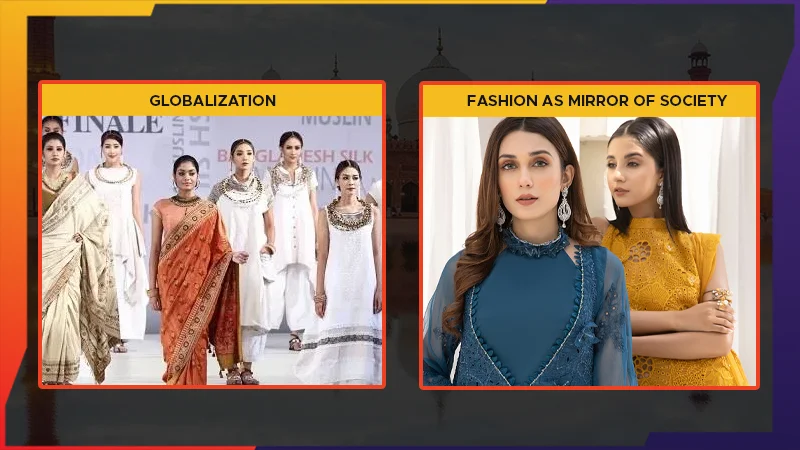
One of the biggest reasons behind fashion changes in Pakistan is the influence of media. Television dramas, films, fashion shows, and advertisements have played a major role in shaping public preferences. Pakistani dramas especially have become trendsetters, with audiences closely following the clothing styles of actors and actresses.
In the past, fashion trends spread slowly through magazines or word of mouth. However, social media platforms such as Instagram, TikTok, YouTube, and Facebook have completely changed how fashion is consumed. Influencers, bloggers, and celebrities now introduce new styles instantly to millions of people.
Modern Pakistani lifestyles are highly connected to digital culture. Young people follow global fashion trends while also supporting local designers online. Fashion has become fast-moving and highly visual, where appearance often influences social recognition and online presence.
Branded lawn collections, designer pret wear, luxury bridal outfits, and influencer collaborations dominate social media feeds during festive seasons. Consumers now make fashion choices not only for personal comfort but also for social presentation and digital visibility.
This shift reflects broader lifestyle changes where social media validation, modern beauty standards, and public image have become important aspects of urban life.
Changing Role of Women and Fashion
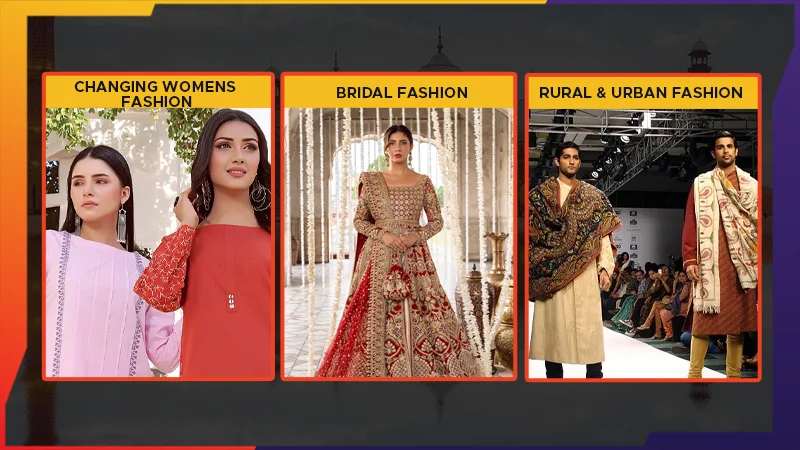
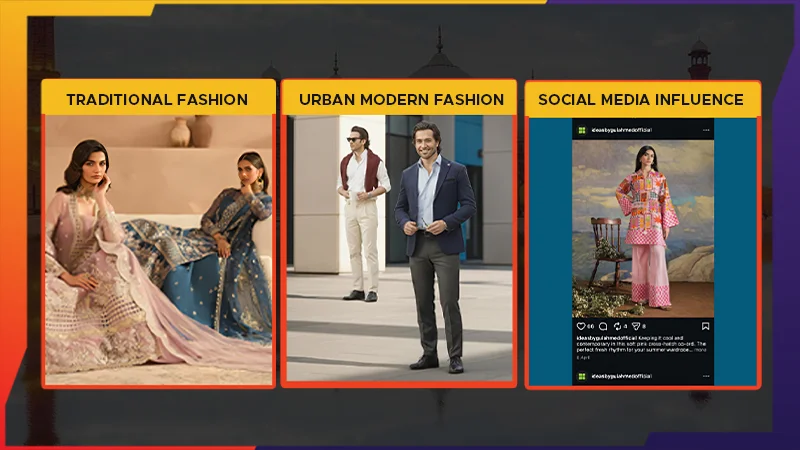
The changing role of women in Pakistani society has also had a strong impact on fashion trends. More women are now pursuing higher education, careers, entrepreneurship, and independent lifestyles. As women entered professional spaces in larger numbers, clothing styles adapted accordingly.
Working women often prefer outfits that combine modesty, comfort, and professionalism. Ready-to-wear brands now design clothing specifically for office wear, casual outings, and formal business settings. Fashion is no longer limited to traditional household expectations; it now supports mobility, independence, and self-expression.
Modern Pakistani women are also more aware of global trends and personal styling. Makeup, skincare, fitness culture, and fashion accessories have become part of urban lifestyle habits. At the same time, many women continue to maintain cultural and religious values through modest fashion choices.
The rise of hijab fashion is one example of how modernity and tradition coexist. Many women combine fashionable clothing with modest dressing, creating a unique identity that reflects both faith and contemporary style.
This evolution highlights how fashion in Pakistan is adapting to social empowerment and changing gender dynamics.
Bridal Fashion and Luxury Culture
Pakistani bridal fashion has experienced one of the most dramatic transformations over the past two decades. Weddings in Pakistan were traditionally family-oriented events with cultural rituals and simple clothing. Today, many weddings have become grand luxury celebrations influenced by celebrity culture and social media trends.
Designer bridal dresses, professional photoshoots, destination weddings, and elaborate décor have become increasingly common among urban middle and upper classes. Fashion designers now release exclusive bridal collections featuring expensive fabrics, hand embroidery, and modern cuts.
This shift reflects broader lifestyle changes related to consumerism, social status, and modern aspirations. Weddings are no longer viewed only as cultural ceremonies but also as opportunities for social display and online content creation.
At the same time, critics argue that the commercialization of weddings has increased financial pressure on families. Social expectations surrounding fashion and appearance have become more intense, especially through social media comparisons.
Despite these concerns, bridal fashion continues to represent the blend of tradition and luxury that defines modern Pakistani society.
Rural and Urban Fashion Divide
Although fashion trends are changing rapidly in cities, rural Pakistan still maintains stronger traditional values. The lifestyle gap between rural and urban populations is clearly visible in clothing choices.
In villages and smaller towns, traditional dresses remain dominant due to cultural customs, religious conservatism, and practical living conditions. Clothing is generally simpler and less influenced by global trends.
In contrast, urban youth are more exposed to international media, fashion brands, and modern lifestyles. Cities offer greater freedom for experimentation with clothing styles and personal appearance.
However, the divide is slowly narrowing because of internet access and online shopping. Even people living in smaller towns now follow fashion influencers and purchase branded clothing through e-commerce platforms.
Fashion trends that once belonged only to elite urban circles are becoming accessible across different social classes and regions.
The Influence of Globalization
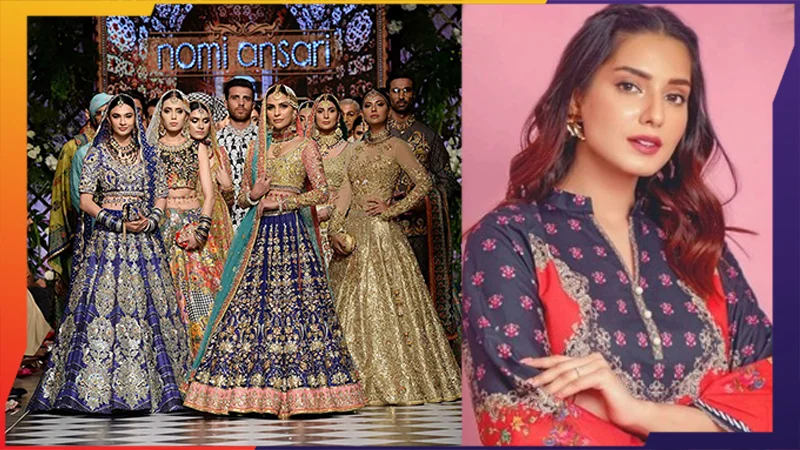
Globalization has connected Pakistan with international fashion industries and cultural trends. International brands, foreign television content, Turkish dramas, Korean fashion trends, and Western entertainment have all influenced Pakistani consumers.
Modern Pakistani youth often combine local and international styles to create hybrid fashion identities. This reflects a generation that is culturally rooted yet globally connected.
However, globalization has also raised concerns about losing cultural authenticity. Some people believe that excessive Western influence weakens traditional values and cultural heritage. Others argue that fashion naturally evolves with time and that cultural identity can survive alongside modern influences.
The Pakistani fashion industry itself has responded by promoting fusion fashion that preserves traditional embroidery, fabrics, and cuts while adapting them for modern lifestyles.
Fashion as a Mirror of Society
Fashion in Pakistan today reflects more than style preferences. It mirrors social transformation, economic growth, technological advancement, changing gender roles, and evolving cultural attitudes.
The transition from tailor-made traditional outfits to designer labels and online fashion stores reflects changing consumer habits. The rise of modest fashion reflects the balance between religion and modern identity. Fusion wear reflects the blending of Eastern traditions with global exposure.
Even lifestyle priorities are visible through fashion choices. Fast-paced urban living has increased demand for ready-to-wear clothing and practical fashion. Social media culture has made appearance and branding more influential than ever before.
At the same time, traditional clothing continues to hold emotional and cultural value. Festivals such as Eid, weddings, and cultural events still celebrate Pakistani heritage through traditional fashion.
This coexistence of old and new defines modern Pakistani society.
Conclusion
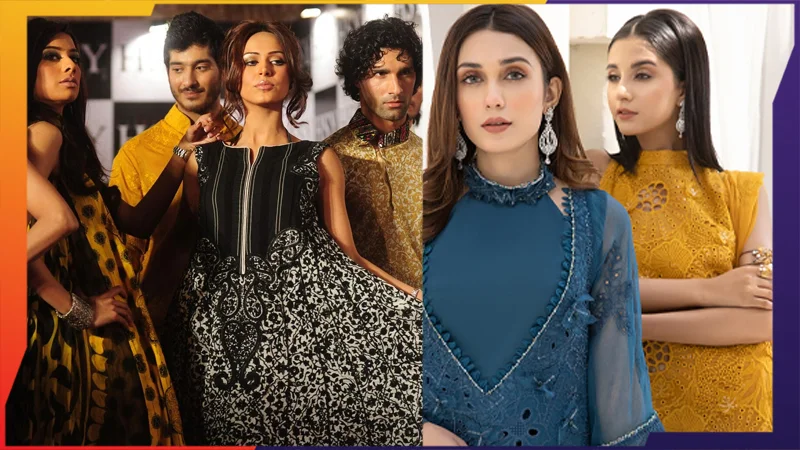
Fashion in Pakistan is a powerful reflection of lifestyle changes taking place throughout the country. It tells the story of a society moving between tradition and modernity, cultural preservation and globalization, modesty and self-expression.
As lifestyles continue to evolve, fashion will remain an important part of Pakistani identity. Whether through traditional embroidery, modern fusion wear, luxury bridal couture, or digital fashion trends, clothing continues to express the values, aspirations, and realities of Pakistani society.
The evolution of Pakistani fashion proves that fashion is not just about what people wear. It is about how people live, think, adapt, and define themselves in a changing world.