YouTube vs TV: How Pakistani Drama Viewership Changed in 2026
Nobody watches TV at 8 PM anymore, at least, nobody under 35.That sentence would have sounded absurd a decade ago. In Pakistan, primetime television used to be a ritual. Families gathered in the lounge after dinner. Someone controlled the remote like a king. Everyone waited for the drama to begin exactly at 8 PM.
In 2026, that routine feels outdated.Today, many Pakistani drama fans watch episodes at 10 PM, 12 AM, or even during lunch breaks. They watch on phones, tablets, and laptops. Sometimes under the covers with brightness turned low and subtitles on so nobody wakes up.
The screen changed. The habit changed. And most importantly, the way success is measured has changed.Welcome to the era of YouTube-first drama consumption.
The Death of Fixed-Time Viewing
Traditional TV depends on schedule.Miss the 8 PM slot? You wait for a repeat telecast or rely on someone to summarize the episode for you.YouTube changed that completely.
Now, viewers watch when it fits their lives. Busy professionals watch after work. Students stream between study sessions. Overseas Pakistanis watch based on their own time zones.
This flexibility is one of the biggest reasons younger audiences moved away from television.Convenience wins.
Gen Z and millennials do not want entertainment tied to a broadcast schedule. They want control. They want pause, rewind, skip, speed control, and instant access.
Television says, “Be here at 8.”
YouTube says, “Watch whenever you want.”
The winner became obvious.
In 2026, Views Matter More Than Ratings
For years, Pakistani channels measured drama success through TRPs (Television Rating Points).
High TRP meant a hit drama. Low TRP meant trouble.
That metric still exists, but its influence has weakened.
In 2026, the conversation sounds very different.
People ask:
- How many views did episode 10 get?
- Did it cross 5 million?
- Is it trending on YouTube?
- What’s the engagement like?
- That tells you everything.

A drama hitting 10 million YouTube views is now considered a major success, even if cable performance is average.This shift has changed how channels evaluate performance and how advertisers spend money.Views are no longer just vanity metrics. They represent reach, replay value, and global audience interest.Advertisers understand this.
A drama with strong YouTube performance offers something TV cannot always provide: measurable digital engagement.
You can track:
- Watch time
- Audience retention
- Geographic location
- Click-through behaviour
- Ad performance
- That level of data makes digital platforms extremely attractive for brands.
- The industry is adapting fast.
The Comment Section Became Part of the Drama Experience
This is something television never offered.
When you watch a drama on TV, your reaction stays in your living room.
When you watch on YouTube, your reaction becomes part of a global conversation.
And that changed everything.
The comment section is no longer just a feedback box. It has become part of the entertainment itself.
Fans post:
- Episode theories
- Character analysis
- Emotional reactions
- Predictions
- Memes
- Viral dialogues
Sometimes reading comments feels as entertaining as the episode.
You will see comments from:
- Pakistan
- India
- Bangladesh
- UAE
- Saudi Arabia
- UK
- Canada
- USA
The global diaspora plays a huge role in Pakistani drama popularity.Cross-border appreciation for Pakistani dramas remains one of the internet’s most wholesome phenomena.Despite political tension, audiences across South Asia continue bonding over storytelling.
A fan in India cries over the same scene as a viewer in Lahore. Someone in Dubai writes a paragraph analyzing the hero’s psychology.Another fan in Toronto posts a theory about the finale. That shared emotional experience keeps audiences returning.
YouTube Rewards Good Storytelling
One of the most important changes in 2026 is this: Quality content eventually finds its audience.Television can be unforgiving. A drama may struggle because of bad time slots, poor promotion, or tough competition. YouTube gives those dramas a second life. A perfect example is Kabli Pulao. On broadcast, it performed moderately in TRPs.

Respectable, but not explosive.On YouTube? It became a massive hit.Millions of viewers discovered it online. Clips went viral. Word-of-mouth grew. Suddenly, people who ignored it on TV started binge-watching. That success proved something important. Strong storytelling survives distribution problems.
If the writing is powerful and performances connect emotionally, audiences will find the drama sooner or later.That changed how producers think.Instead of focusing only on TV slots, many now consider long-term digital performance.
TV Is Not Dead, But Its Role Changed in 2026
This does not mean television disappeared.
TV still matters, especially for:
- Older audiences
- Family households
- Rural regions
- Live appointment viewing
- Many people still enjoy watching dramas together on a big screen.
- That cultural habit remains valuable.
- But television is no longer the only king.
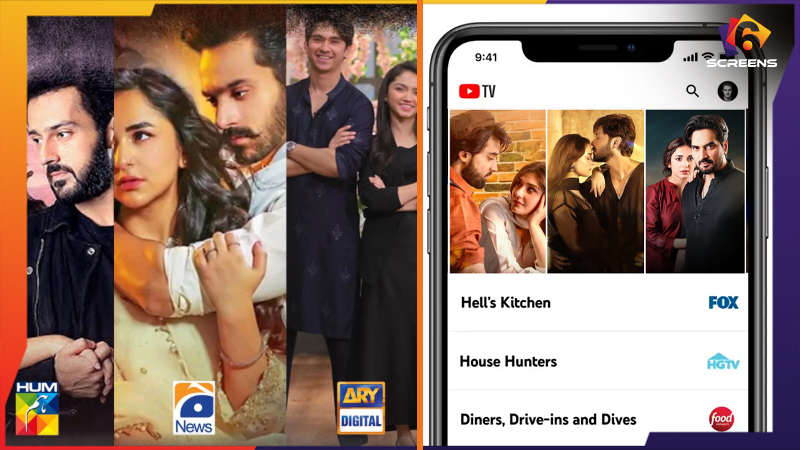
Instead, TV has become the first release platform, while YouTube has become the growth engine.
Think of it like this:
- TV starts the conversation.
- YouTube scales it.
A drama may premiere on television, but its real popularity often explodes online.This hybrid model defines Pakistani entertainment in 2026.
What This Means for Drama Channels
Channels now have to think digitally from day one.
That means optimizing:
- Thumbnails
- Titles
- Upload timing
- Shorts and clips
- Social media teasers
- Comment engagement
- The audience journey no longer ends after broadcast.
- It continues online.
- Channels that understand digital culture are winning.
This is one reason networks investing heavily in YouTube strategy are seeing stronger engagement.
Success today requires more than good scripts.
You need discoverability.
Conclusion
The biggest shift in Pakistani drama viewership in 2026 is simple:People no longer watch dramas because a channel tells them when to watch.They watch on their own terms.YouTube has transformed Pakistani entertainment from scheduled viewing into on-demand culture.
For younger audiences especially, convenience beats tradition. Ratings still matter, but views matter more. Comment sections matter. Global reach matters. Digital engagement matters. The future of Pakistani dramas is no longer just television.It is mobile, global, interactive, and deeply connected. And if 2026 proves anything, it is this: The real primetime is no longer 8 PM. Primetime is whenever the viewer presses play.