The Idea of Good Tarbiyat by Saif in Kafeel Episode 19 Stirs Debate | Six Screens

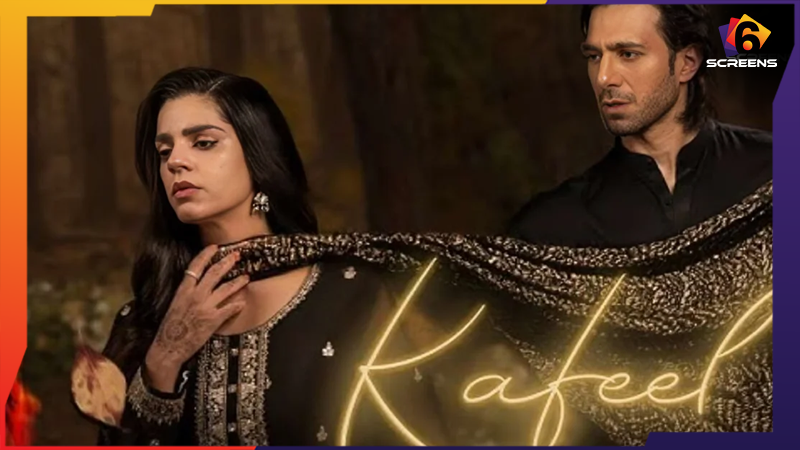
Episode 19 of Kafeel has caused a broad debate among the audience when Saif defines good tarbiyat as a central moment of the story. The episode poses some profound questions concerning parenting, control, and ingrained social mindsets that continue to persist in Pakistani families.
The scene resonated with viewers since it reflects a reality that many are familiar with but can hardly find so frankly handled on TV.
Kafeel Episode 19 Highlights the Rigid Vision of Tarbiyat by Saif.
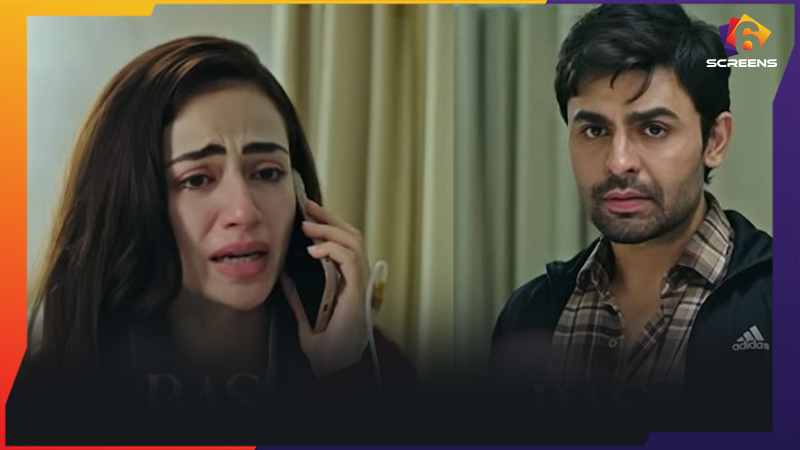
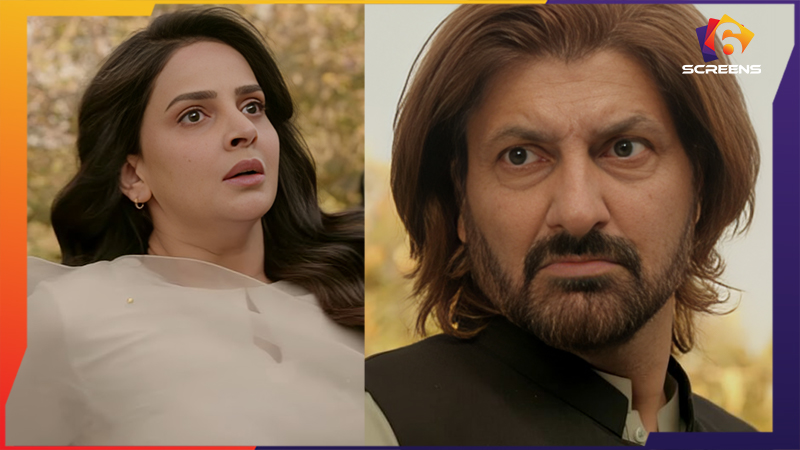
In episode 19, Saif openly reveals that tarbiyat is obedience, silence, and unquestioning obedience of authority. In his view, a well-bred woman must be able to withstand emotional stress, not to fight, and must never question the decisions of men.
It is an awkward but strong moment. The play demonstrates how these beliefs are usually projected with a lot of confidence as moral values. The viewers instantly notice that Saif employs tarbiyat to legitimize dominance instead of compassion and understanding.
The audience is highly responsive to the attitude of Saif in Kafeel. The viewer response to episode 19 was strong. The character of Saif was criticized by many as being outdated, toxic and damaging emotionally. The social media was full of remarks by individuals who presented the same arguments that they used to silence women in the real world.
A number of viewers were glad that the play did not glorify this attitude. Rather, it revealed the destructiveness of such beliefs when taught as good upbringing.

Good Tarbiyat Social Media Discussion on Pakistani Dramas.
The discussion soon went viral. Fans talked about how cultural and religious terminologies are commonly abused to regulate behavior instead of instilling good values. People applauded the authors who did not water down this truth to make it easy to swallow.
Meanwhile, other viewers justified the plot, saying that the aim of the drama was to mirror society- not to support the opinions of Saif. This ambivalent response was a demonstration of the effectiveness of the episode in stimulating a valuable discussion.
The Realistic Storytelling of Kafeel is noteworthy.
The subtle storytelling of episode 19 was what made it effective. No exaggerated or long speeches were shown instead the confrontations were concise and impactful. Rather, the calmness of Saif made his words more unsettling and more lifelike.
This strategy allowed the audience to make their own interpretation of the message, which made the scene more relatable and emotionally involved. The play was confident that the audience would understand the issue without a moralizing lesson.

Control and Emotional Pressure in Kafeel.
Kafeel repeatedly addresses the topics of emotional neglect, control, and social conditioning. Episode 19 reinforced this story by raising the question of who determines tarbiyat and who is a victim of it.The episode brought to the fore the normalization of harmful ideas in families and their passing as tradition.
Reflections on Kafeel Episode 19 | Six Screens.
Episode 19 might not have solutions, but it managed to initiate a vital discussion. The concept of good tarbiyat presented by Saif made viewers think about the common and dangerous beliefs.The willingness to deal with the unpleasant truths straight on makes Kafeel remain a drama that does not rely on superficial storytelling.
The episode supports the reason why viewers are so engaged, not because they want to be easily entertained but because they want to see stories that mirror the actual struggle.Keep watching Six Screens to get a deeper analysis, drama reviews, and candid discussions on Pakistani television.