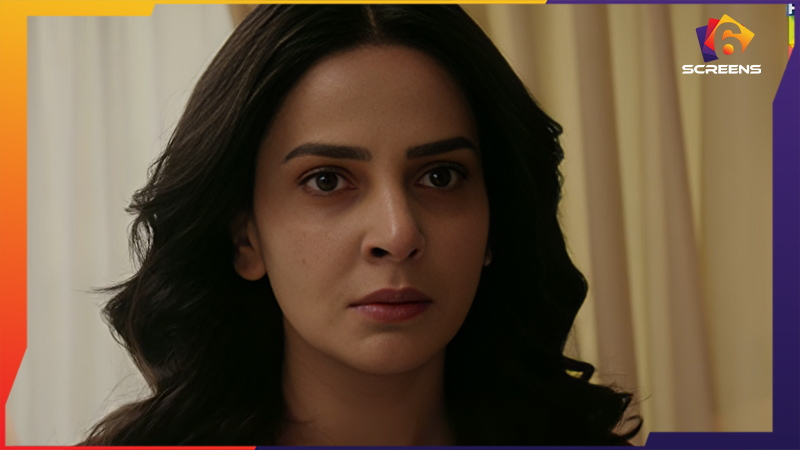
Meri Zindagi Hai Tu Criticised as Toxic | Six Screens

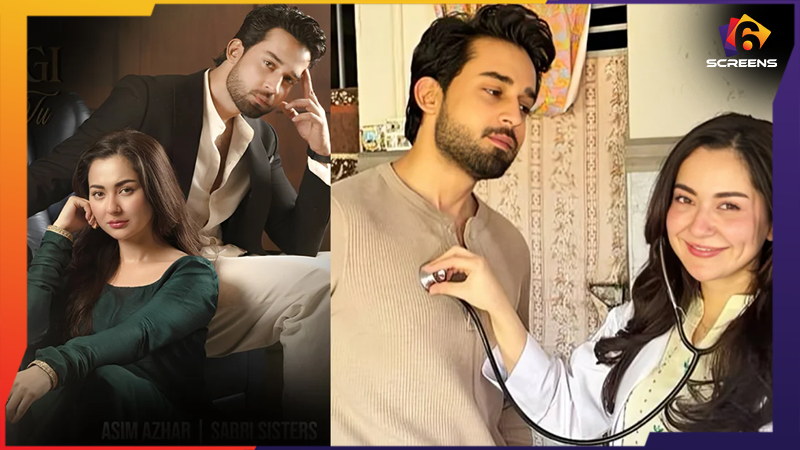
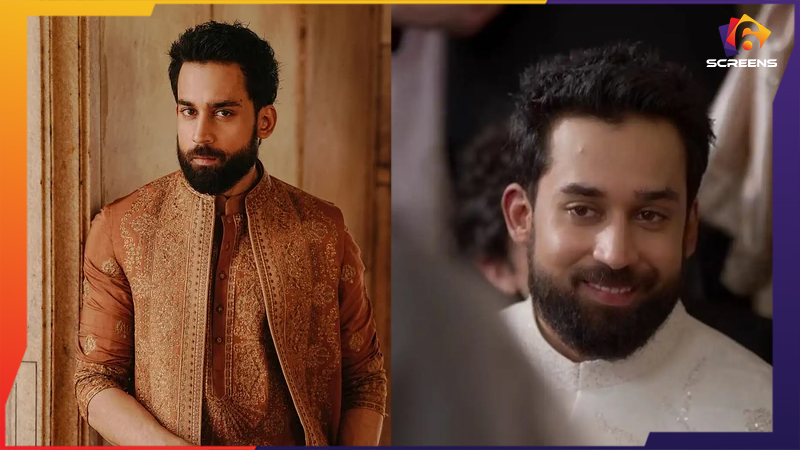
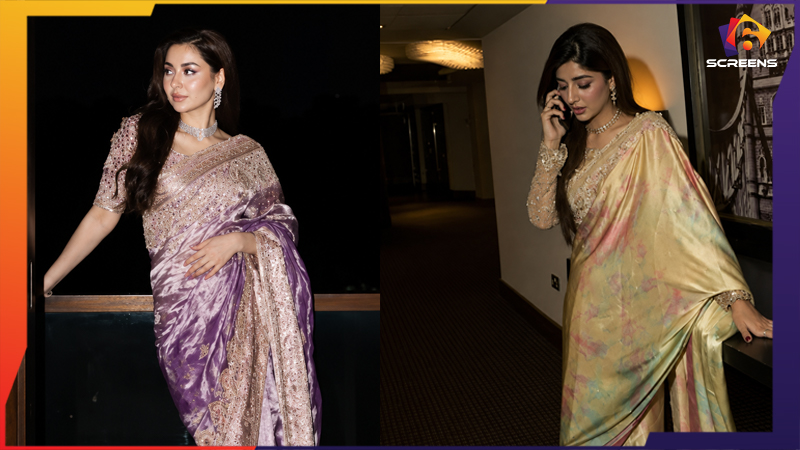
Meri Zindagi Hai Tu is a popular Pakistani drama airing on ARY Digital. The show stars Bilal Abbas Khan and Hania Aamir in lead roles and quickly gained attention for its strong performances and high production quality. However, despite its popularity, the drama is facing growing criticism for promoting toxic behavior under the guise of romance.
Many viewers appreciate the visuals and star cast, but others feel the storyline crosses a line. Critics argue that the drama presents unhealthy behavior as normal and sometimes even romantic. This has sparked a heated debate online, with audiences questioning the message such narratives send to society.
Kamyar’s Character Sparks Toxicity Debate
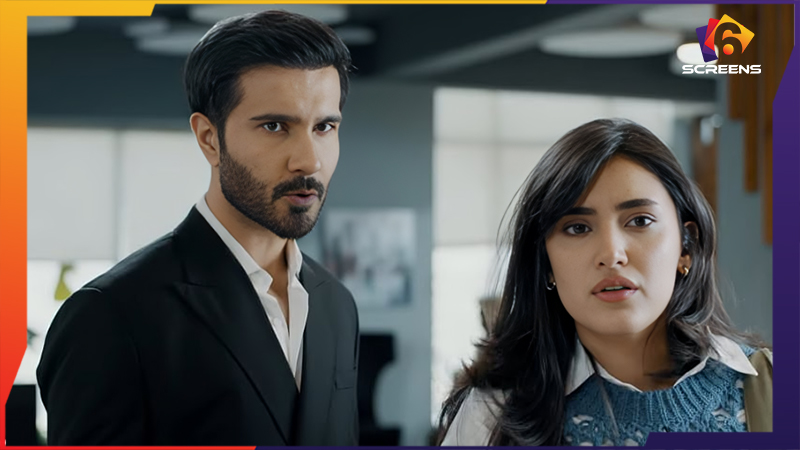
At the center of the Meri Zindagi Hai Tu criticism is Kamyar’s character. He appears as a wealthy and spoiled young man who often behaves irresponsibly. Throughout the drama, Kamyar shows emotional instability and repeatedly disrespects Ayra, the female lead. His actions include excessive partying and emotional mistreatment, which many viewers find troubling.
Instead of showing character growth, the story continues to justify Kamyar’s behavior. Critics believe this approach normalizes toxicity in Pakistani dramas, especially when such conduct is linked to love and passion rather than consequences.

Social Media Reaction to Toxic Romance
The debate around normalizing toxicity quickly spread across social media platforms. Many viewers expressed discomfort with how Kamyar’s behavior is portrayed. They feel the drama presents obsessive pursuit and emotional pressure as signs of love, even when Ayra clearly feels uneasy.
On platforms like Twitter and Reddit, users criticized the show for repeating outdated tropes. Several viewers pointed out that Pakistani dramas often romanticize stalking and forced attention, and Meri Zindagi Hai Tu seems to follow the same pattern.
Critics Call Out Unhealthy Relationships
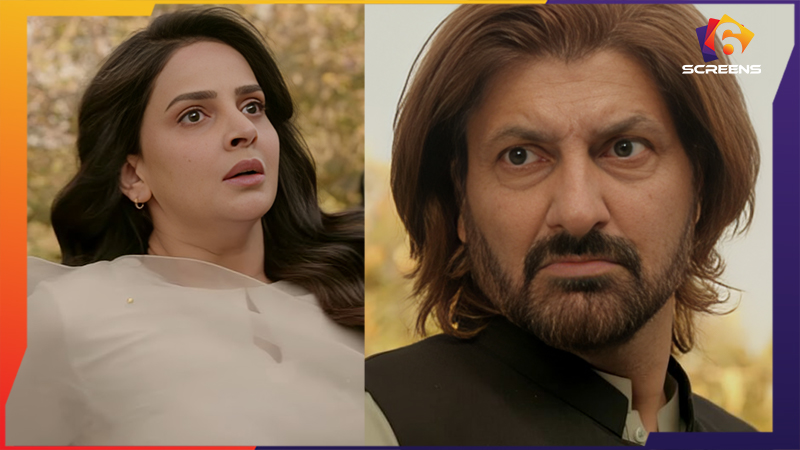
Television host Nadia Khan also shared her views on the drama during her show Kya Drama Hai. She stated that the show risks losing viewers because it glorifies a toxic male lead instead of challenging his actions. According to her, such storytelling sends the wrong message about relationships.
She emphasized that modern audiences now expect respect and emotional balance in romantic stories. Obsession and constant pursuit no longer appeal to viewers the way they once did, showing a clear shift in audience expectations.
A Larger Issue in Pakistani Dramas
The controversy surrounding Meri Zindagi Hai Tu reflects a larger problem in Pakistani television. Many dramas still rely on toxic male lead stereotypes. These characters often ignore boundaries and control emotions, which critics say makes unhealthy behavior seem acceptable.
Viewers also raised concerns about how the drama casually shows alcohol use and emotional manipulation. They believe the show fails to address these issues critically, which adds to the overall backlash.

Divided Audience Response
Audience reaction to the Meri Zindagi Hai Tu criticism remains divided. Some fans defend the drama and argue that flawed characters can work if the story eventually shows consequences. They also highlight the drama’s high ratings as proof of its success.
However, many viewers remain uncomfortable with certain scenes. They worry that younger audiences may view aggressive pursuit as normal romance. This clash between popularity and responsibility continues to fuel discussion.
Changing Expectations in TV StorytellingThe ongoing debate shows how audience expectations are changing. Viewers now want healthier portrayals of relationships and more responsible storytelling. They expect writers to handle sensitive themes with care instead of repeating old clichés.
As audiences become more aware, dramas that rely on toxic romance may struggle to maintain long-term popularity. This shift could encourage creators to rethink how they present love and conflict on screen.
Final Thoughts on Meri Zindagi Hai Tu Criticism
Meri Zindagi Hai Tu remains one of the most talked-about Pakistani dramas today. While strong performances keep viewers engaged, the criticism around toxic behavior cannot be ignored. Audiences are no longer satisfied with glamour alone.
As the story moves forward, many hope the drama will show character growth and promote healthier relationships. Others continue watching purely for entertainment. Either way, the controversy marks an important moment in Pakistani television, reflecting evolving viewer awareness and demand for better storytelling.